Go back
10 Questions with “IDMAG”: Building Inclusive Cinema Through Sign-Language Avatars
1. How did IDMAG start, and what problem were you trying to solve through the sign-language avatar app?
IDMAG started from a simple but critical observation: accessibility is often added too late—or not at all—when building digital products. Millions of Deaf and hard of hearing users are excluded from basic digital experiences, especially in Arabic-speaking markets where sign-language support is extremely limited. We set out to solve this gap by creating a sign-language avatar solution tailored for Arabic Sign Language, enabling organizations to communicate inclusively across websites, digital platforms, and physical environments. Our goal was not just translation, but meaningful, usable access.
2.Before joining the Cinematech program, what stage was IDMAG at and what were the main challenges you were facing?
Before joining Cinematech, IDMAG was at an early validation stage. We had a clear problem to solve, a strong mission, and early product direction, but we were still shaping how the solution could scale commercially. Our main challenges were defining a clear business model, identifying the right market entry points, and aligning our technical development with real client and institutional needs.
3.As founders working at the intersection of technology, creativity, and accessibility, where did you feel the biggest gap between your idea and building a scalable business?
The biggest gap was bridging impact with structure. While the need for accessibility was undeniable, turning that need into a repeatable, enterprise-ready solution required deeper work on positioning, pricing, and integration. We needed to move from a purpose-driven idea to a solution that organizations could adopt, integrate, and sustain at scale.
4.What motivated you to apply to the Cinematech program specifically?
Cinematech stood out because it operates at the intersection of technology, creativity, and real-world application. It wasn’t just about acceleration, it was about helping founders turn ideas into viable, scalable businesses. We were motivated by the opportunity to refine both our product and our strategic direction within a program that understands impact-driven innovation.
5. Which elements of the program had the greatest impact on IDMAG—technical support, matchmaking, funding, or business development and why?
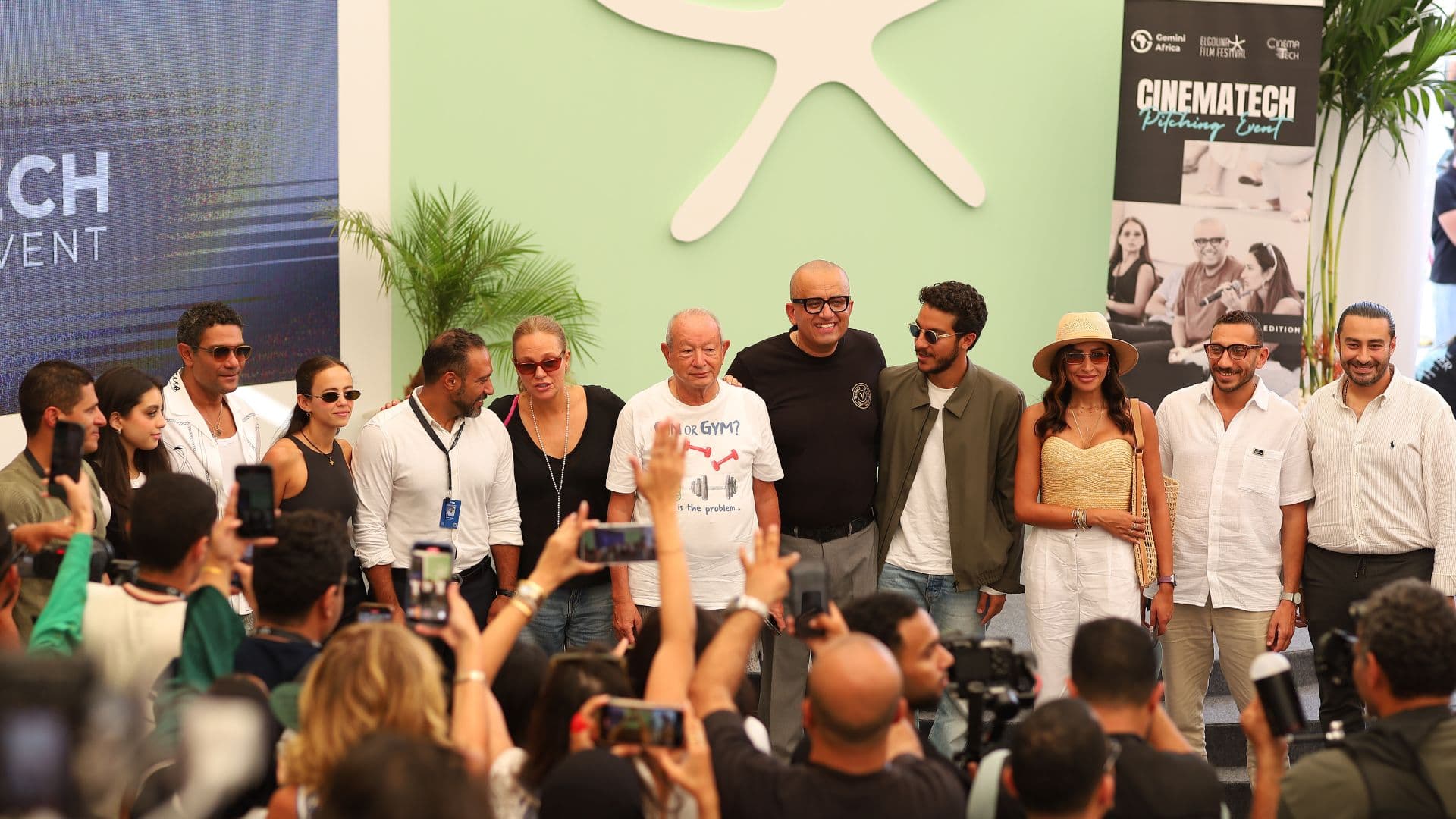
Business development and strategic guidance had the greatest impact on IDMAG. The program helped us clarify our positioning, think more deliberately about scalability, and align our solution with real market needs.Matchmaking and exposure were also valuable in validating our assumptions through direct conversations with relevant stakeholders.
6. Was there a specific moment, session, or insight during Cinematech that changed how you approached the product or the business model?
One key shift was realizing that accessibility should be positioned as infrastructure, not a feature. This insight pushed us to design IDMAG as a modular, integrable solution rather than a standalone tool.
7.How did the program help you think differently about sustainability, scalability, and long-term growth?
Cinematech helped us move beyond short-term pilots and proofs of concept. We began designing IDMAG for repeatability, integration, and long-term partnerships—particularly with enterprises and public institutions. Sustainability became about embedding accessibility into existing systems rather than delivering one-off solutions.
8. How did access to networking opportunities and visibility on platforms such as El Gouna Film Festival impact IDMAG’s exposure, partnerships, or market validation?
Visibility through platforms such as El Gouna Film Festival provided strong market validation for IDMAG. It positioned the solution as a serious accessibility technology rather than just an idea. This exposure opened doors to conversations with corporates, creatives, and institutions that would have been difficult to access otherwise.
9. What tangible changes did you see after participating in Cinematech (such as product development, partnerships, user engagement, or business clarity) if any?
After Cinematech, IDMAG had: - Clearer product positioning - A stronger, more focused roadmap - Stronger confidence in pitching to enterprise and institutional clients - Greater alignment between our technical development and business strategy - Most importantly, we moved forward with clarity rather than assumptions.
10. What advice would you give to other founders building creative or impact-driven tech solutions who want to turn their ideas into sustainable businesses?
Design for scale early. Impact grows when the business model is strong. Founders should validate continuously, stay open to refining their ideas, and build solutions that can integrate into existing ecosystems without losing their core purpose.